Growing With Nature, Not Against It
Our food/tea forest began with a simple question:
Could we grow our own food here in Southwest Florida?
The answer turned out to be a very enthusiastic yes!
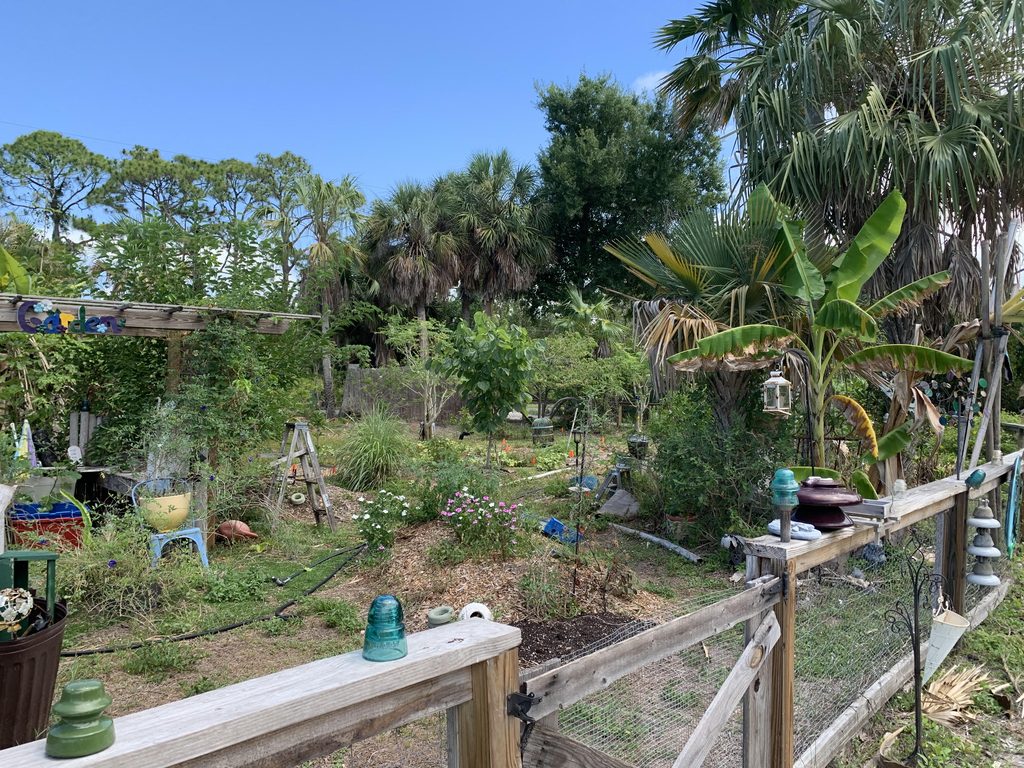
What began as a little intimidating quickly became one of the most rewarding projects we’ve ever undertaken. We started with our front yard, covering the soil with loads of mulch and gradually filling the space with fruit trees, herbs, flowers, vegetables, and other useful plants.
After our recent expansion in the spring, our food forest now covers close to an acre.
Our Growing Philosophy
We follow many of the principles of permaculture and regenerative growing, which means we try to work with nature rather than constantly fighting against it. We don’t till the soil unnecessarily. Instead, we leave the soil largely undisturbed and allow the mycelium and soil organisms to do their work.
We use:
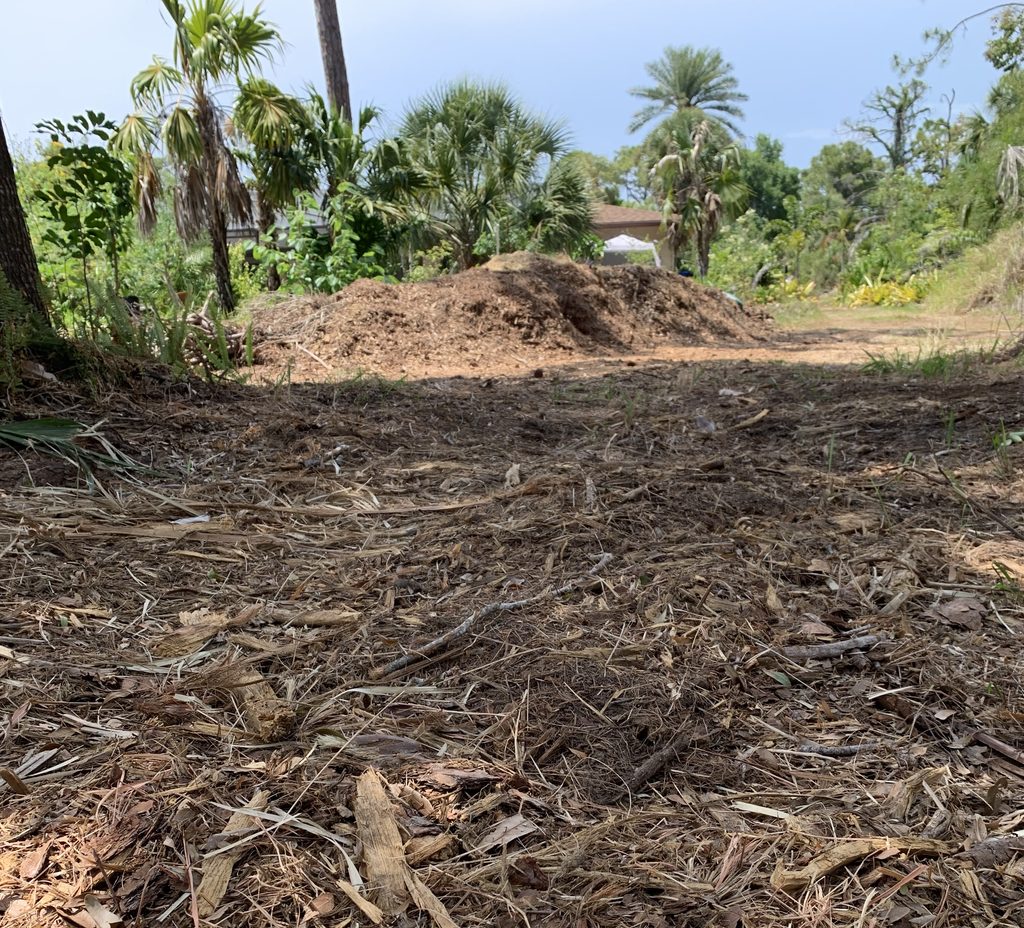
- Free or locally sourced mulch
- Compost
- Chop-and-drop
- Natural ground cover
- Diverse plantings
- Minimal soil disturbance
- Natural cycles of growth and decomposition
One of my favorite resources is actually the neighborhood tree service. Whenever I hear chainsaws going nearby, I jump on my bike and find out what they’re doing with the mulch! If homeowners don’t want the wood chips, the tree service can often drop them locally rather than paying to take them to the landfill.
Everybody wins.
How We Grow Our Botanicals
We grow our plants without synthetic pesticides, herbicides, or chemical fertilizers. Instead, we rely on healthy soil, biodiversity, beneficial insects, natural ground cover, compost, mulch, and other regenerative practices to support the plants and the ecosystem around them.
You may notice that we describe our botanicals as grown without synthetic chemicals rather than calling them “organic.” That’s intentional. While our growing practices follow many principles associated with organic and regenerative agriculture, Leaves for Life is not a certified organic farm. Organic certification involves specific standards, recordkeeping, inspections, and certification requirements, and we have chosen not to pursue that certification for our small home-based operation. We believe it’s important to be straightforward about that distinction. We don’t want to imply a certification we don’t have—but we also want you to know exactly how we grow.
For us, growing responsibly means paying attention to the health of the soil, the plants, the insects, the wildlife, and the larger ecosystem we’re part of. We choose methods that work with those natural systems rather than relying on synthetic chemicals to manage them.
We also believe that knowing where your botanicals come from matters. These aren’t anonymous ingredients purchased from a large commercial supplier. Most (95%) of the plants in our teas are grown right here, harvested by us, and carefully processed for our products.
We know our plants because we live and grow alongside them.
What Is Chop-and-Drop?
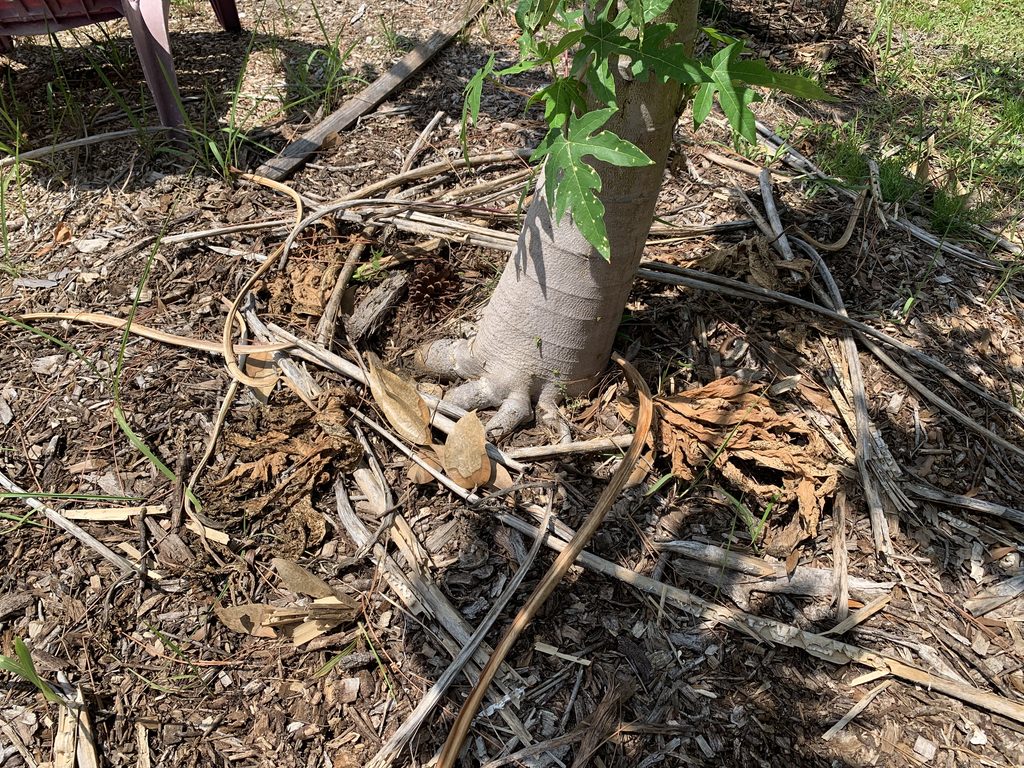
Chop-and-drop is about as simple as it sounds. Instead of hauling plant material away, we cut branches, grasses, weeds, and other useful vegetation and simply lay it beneath our trees and plants. As that material breaks down, it returns nutrients and organic matter to the soil.
In nature, nobody rakes up the forest floor and hauls it away. We figure the forest probably knows what it’s doing.
Where Do We Plant Everything?
People often ask how I decide where a plant belongs. Of course, I consider its growing requirements—sun, water, soil, mature size, and so forth. But after that? I pretty much walk around the yard carrying the plant until I find a spot that feels right.
Seriously. 😂
Sometimes it works beautifully. Sometimes we move the plant. And sometimes we learn a very good lesson about what not to do next time. That’s part of gardening.
Growing, Learning & Experimenting
Our food forest is constantly changing.
Some plants thrive. Some struggle. Some surprise us completely. We’ve learned how different plants respond to Florida’s intense heat, humidity, drought, heavy rains, pests, and occasional cold snaps.
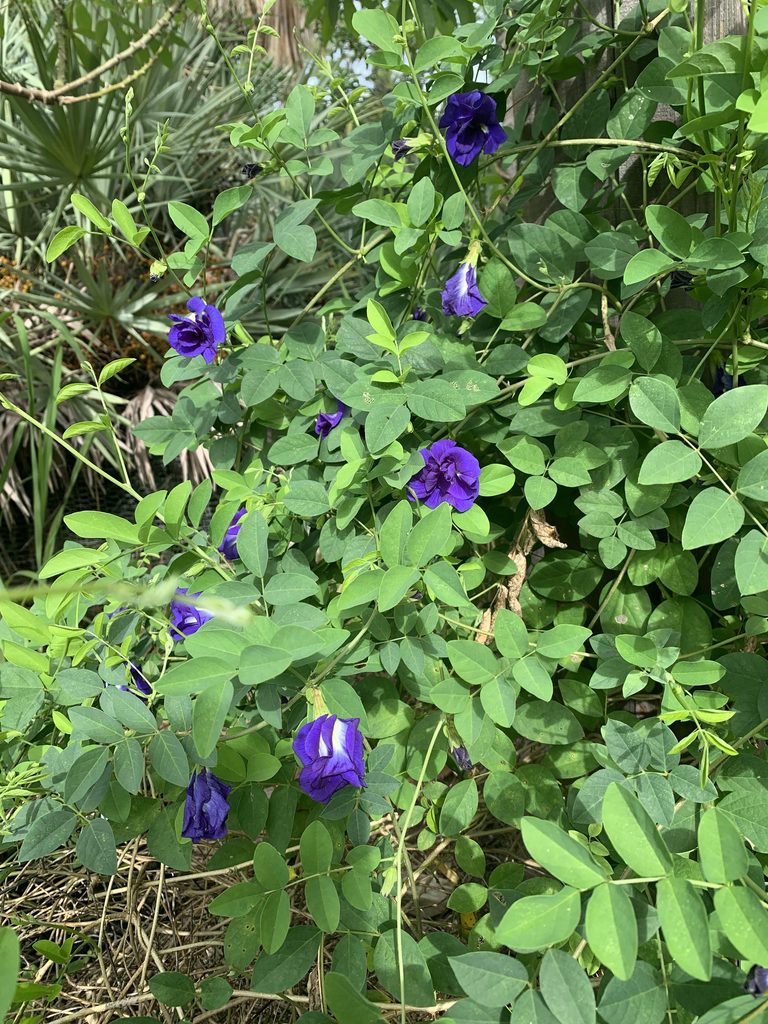
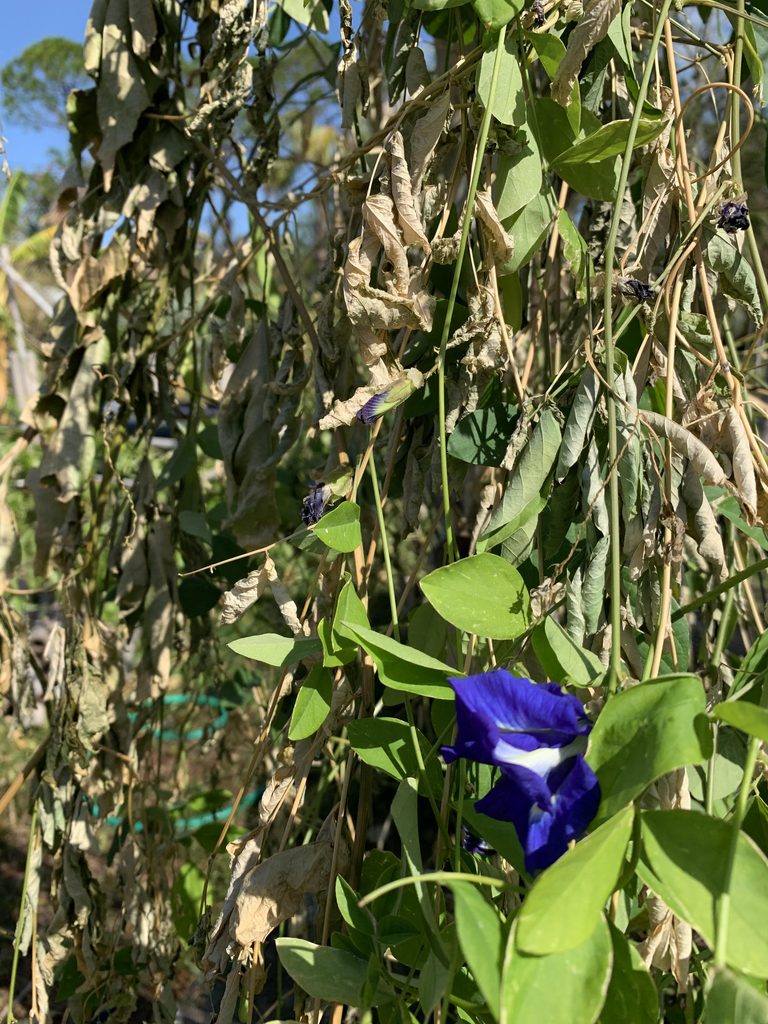
We’ve also learned that nature has a pretty good sense of humor.
A drought may make us think a plant is finished, only for the rains to return and produce an explosion of new growth. A pest may seem devastating until we realize it has actually given the plant a much-needed pruning. A plant we thought would thrive in one location may completely prefer another. We’re learning to pay attention.
More Than Just Food
One of the most exciting things we’ve discovered is that a food forest can provide much more than food.
Many of the plants we grow have useful leaves, flowers, roots, seeds, or bark. Some are culinary plants. Some are beautiful. Some attract pollinators. Some help build the soil. Some provide habitat. And some can be harvested and dried for our botanical infusions.
You’ll find many of those plants featured in our Plant Library, along with information about their traditional uses, constituents, actions, modern research, safety considerations, and—when applicable—our own experience growing them. You’ll also find plants here that aren’t currently used in our teas. Some are simply part of the forest, while others are on our wish list for future blends.
A Living Garden
The food forest isn’t finished—and I don’t think it ever will be.
Plants grow. Trees mature. We expand into new areas. We experiment with new varieties. We make mistakes, learn things, and try again. And that’s really what I love about it. This isn’t a perfectly landscaped garden designed to look finished.
It’s a living, changing ecosystem that we’re learning from every day.