🌿 Botanical Information
Family: Adoxaceae
Botanical Name: Sambucus nigra / S. canadensis
Common Names: Elder, elderberry, elderflower, black elder, American elderberry
Native Range: S. nigra – Azores, Europe, western Iran;
S. canadensis – Eastern-central North America, Caribbean, Central America
USDA Zones: 4a – 10b, depending on species and cultivar
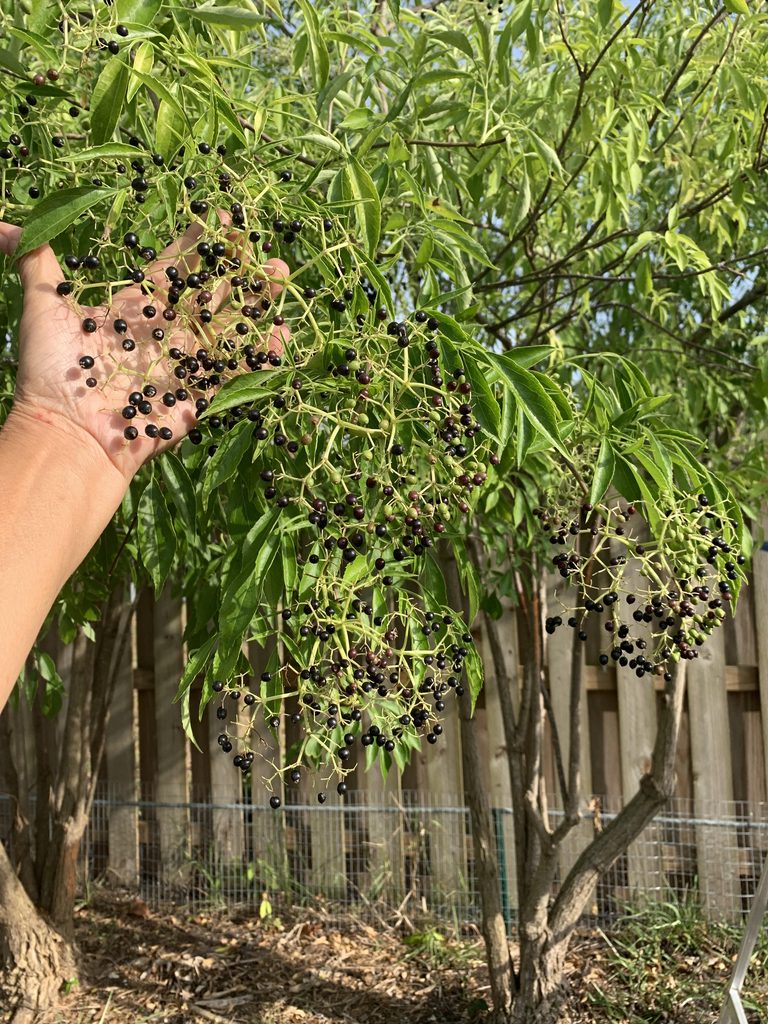
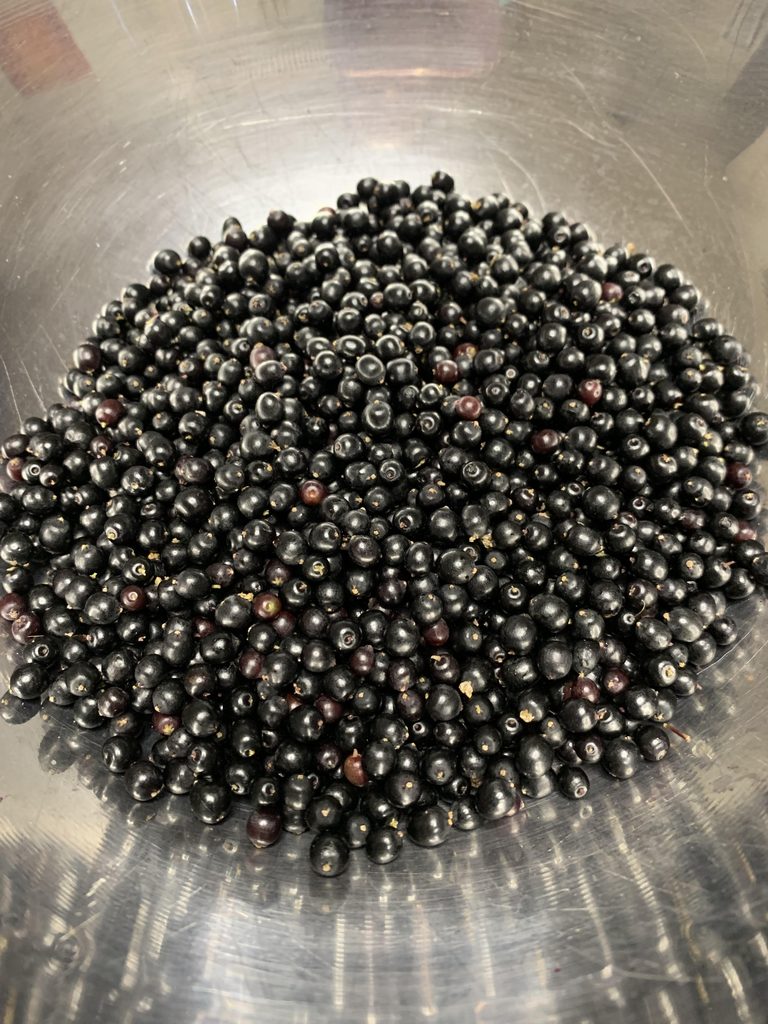
Elder is a fast-growing, deciduous shrub or small tree that can reach approximately 20–30 feet. It thrives in temperate to subtropical climates and is often found growing along woodland edges, roadsides, and other disturbed areas. The small, fragrant white to cream-colored flowers grow in broad, flat clusters that are highly attractive to pollinators. After flowering, the plants produce clusters of small berries that range in color from dark purple to nearly black when ripe.
Often called “the elder,” both the flowers and berries have a long history of use as food and in traditional herbal preparations. The flowers are valued for their delicate fragrance and flavor, while the ripe berries have been used in syrups, preserves, wines, and other preparations throughout many cultures.
🌱 Growing in Our Food/Tea Forest
Although we had a couple Elder trees on our property they were thin and struggling under the overgrowth of years and were not producing many flowers or berries. This is one of the ingredients that we have supplemented through another food forester within a mile of our own property. I personally know and trust his gardening practices and he has been very kind to allow me to harvest off his beautiful trees.
Since our expansion this past spring, however, our existing trees have flourished in the newly found sunshine and have started producing many babies. It is amazing how plants can seem to wait for just the right conditions, and then suddenly appear and take off.
Between the naturally occurring plants and the many seedlings I have started on the side, we will be harvesting from our own plants in no time. But, until then, we are grateful for the amazing supply our neighbor allows us.
🌸 Fun Fact
Elder has a surprisingly musical side! Its stems contain a soft, white pith that can be removed to create a hollow tube. Elder stems have traditionally been used to make simple flutes and whistles—giving this useful plant a little more music in its history.
📖 Materia Medica
Parts Used
Berries & Flowers
Note: Elder flowers and properly prepared ripe berries are the parts traditionally used for food and botanical preparations. Other parts of the elder tree, including the leaves, stems, bark, and unripe berries, contain naturally occurring compounds that can be toxic and are not used in our botanical infusions.
History & Traditional Uses
Elder (Sambucus spp.) has been used for food, household products, and traditional medicine for centuries in both Europe and North America.
The best-known medicinal elder is European black elder, Sambucus nigra, which has a long recorded history in European herbal practice. Classical and later folk traditions used many parts of the plant—flowers, berries, leaves, bark, and roots—for a broad range of purposes, and medieval folklore also associated elder with protection and spiritual significance. Modern herbal practice has largely focused on the flowers and fully ripe berries, which are the parts most commonly used in food and contemporary preparations.
🥬 Food & Nutrition
Elder is valued as both a traditional botanical and a source of naturally occurring nutrients and plant compounds. The berries contain carbohydrates, organic acids, minerals, vitamin C, anthocyanins, flavonoids, and other polyphenols, while the flowers contain flavonoids, phenolic acids, triterpenes, and other naturally occurring compounds. Research has identified a wide range of nutrients and phytochemicals in both the berries and flowers, although their concentrations can vary depending on the variety, growing conditions, harvest timing, processing, and preparation.
Elderberries have traditionally been incorporated into syrups, preserves, wines, jams, and other foods, while the fragrant flowers are commonly used in teas, cordials, and other culinary preparations. Research examining elderberry and elderflower infusions has also found that both can contribute naturally occurring phenolic compounds and antioxidant activity to the finished beverage.
Constituents
The useful parts of Elder contain a wide variety of naturally occurring plant compounds. Research has identified numerous phytochemicals in the berries and flowers, including:
- Anthocyanins
- Flavonoids
- Phenolic acids
- Other polyphenols
- Triterpenes
- Phytosterols
- Essential oils and volatile compounds
- Organic acids
- Vitamins and minerals
The composition and concentration of these compounds can vary considerably depending on the species, plant part, growing conditions, harvest timing, and processing methods. Other parts of the plant contain cyanogenic glycosides, which are an important consideration in elder safety and preparation.
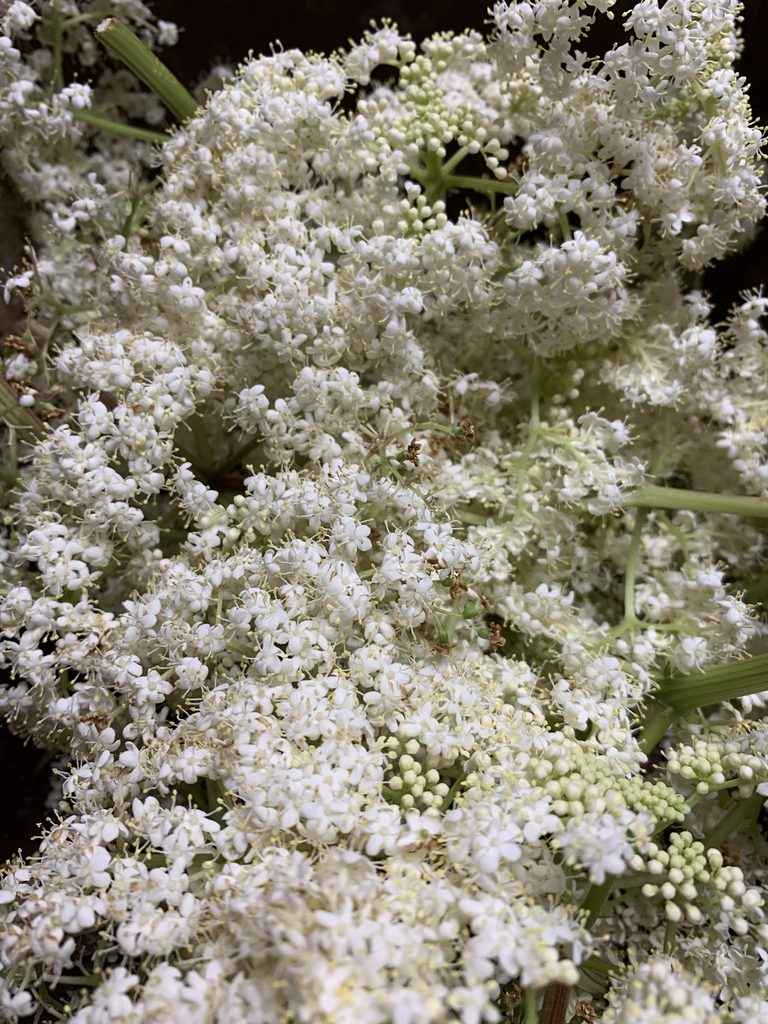
The dark berries are particularly notable for their anthocyanins, while the flowers contain flavonoids such as rutin and phenolic acids such as chlorogenic acid. Research on actual infusions has also identified compounds such as quercetin and myricetin in elderberry and elderflower teas.
Actions & Properties
Traditional herbal literature and modern research have associated or investigated a number of properties of Sambucus nigra, particularly the flowers and berries, including:
- Antioxidant
- Anti-inflammatory
- Antiviral
- Diaphoretic
- Diuretic
- Immunomodulatory
Research has also investigated elderberry and elderflower for potential effects related to respiratory health, metabolic health, and cardiovascular function. These terms represent areas of traditional use and scientific investigation rather than established treatments. The research section below provides more detail about the studies behind these findings.
🔬 Modern Research
Elder has been the subject of research ranging from traditional uses and phytochemistry to antioxidant activity and potential effects on respiratory health. The berries and flowers contain numerous naturally occurring plant compounds, and researchers have studied both the whole plant and individual constituents to better understand their properties.
The most developed human research has focused on elderberry preparations and upper respiratory symptoms, while laboratory and food-science research has explored the phytochemical composition and antioxidant activity of both elderberries and elderflowers. The studies below provide a starting point for exploring what is currently known.
1. Elderberry (Sambucus nigra L.): an ethnopharmacological, phytochemical and biological review for a prospective nutraceutical plant
This is a brand-new comprehensive review covering traditional uses, phytochemistry, biological research, toxicity, clinical studies, and extraction methods.
2. The effects of Sambucus nigra berry on acute respiratory viral infections: A rapid review of clinical studies
This is particularly useful because it reviewed five clinical studies involving 936 adults. The authors concluded that elderberry preparations may reduce the duration and severity of cold/flu-type symptoms, while also emphasizing that the evidence was limited and mostly involved commercial preparations.
3. The Phenolic Contents and Antioxidant Activities of Infusions of Sambucus nigra L.
This one examines elderberry and elderflower infusions. Researchers measured phenolic compounds and antioxidant activity in teas made from the berries and flowers
4. Comparison of the Formulation, Stability and Biological Effects of Hydrophilic Extracts from Black Elder Flowers
This one looks at elderflower preparations and compares different extraction methods, including water-based preparations. It’s useful for supporting your discussion of elderflower tea and the compounds that can be extracted into water.
5. An evidence-based systematic review of elderberry and elderflower (Sambucus nigra)
This older review is still useful because it specifically examines both elderberry and elderflower, including clinical studies, traditional use, pharmacology, interactions, adverse effects, and toxicology.
~ As I discover additional research and useful references, I will continue adding them to this page. ~
⚠️ Safety
Elder flowers and properly prepared ripe berries have a long history of use as food and in traditional herbal preparations. For our purposes, it is important to distinguish these commonly used parts from raw or unripe berries and from other parts of the plant, which have different chemical and safety considerations.
Preparation matters: Raw or unripe elderberries can cause nausea, vomiting, diarrhea, and other digestive symptoms. The ripe elderberries used in our botanical infusions are heat-dried before being blended. Because elderberries should be heat-treated before consumption, our blends should be prepared with freshly boiled water and steeped according to the directions on the package.
Other plant parts: Leaves, stems, bark, and unripe berries contain naturally occurring cyanogenic compounds and are not used in our botanical infusions.
Pregnancy & nursing: There is not enough reliable information to establish the safety of elderberry preparations during pregnancy or breastfeeding. Anyone who is pregnant or nursing should consult a qualified healthcare professional before using elderberry medicinally.
Medications & health conditions: Anyone taking prescription medications or managing a chronic health condition should discuss regular use of elderberry or concentrated herbal preparations with a qualified healthcare professional.
🍵 Featured In
Leaves for Life, LLC currently uses elderberries and elder flowers separately in two of our botanical infusions:
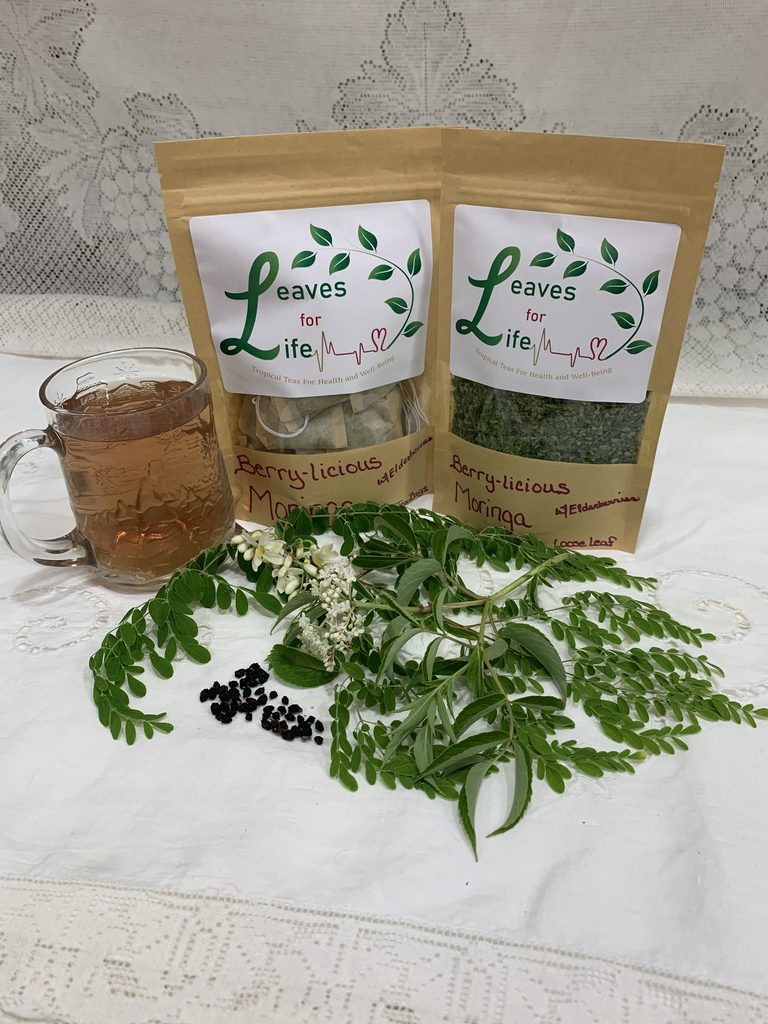
Moringa with Elderberries
Moringa leaves are blended with heat-dried elderberries.
Sinus Soother
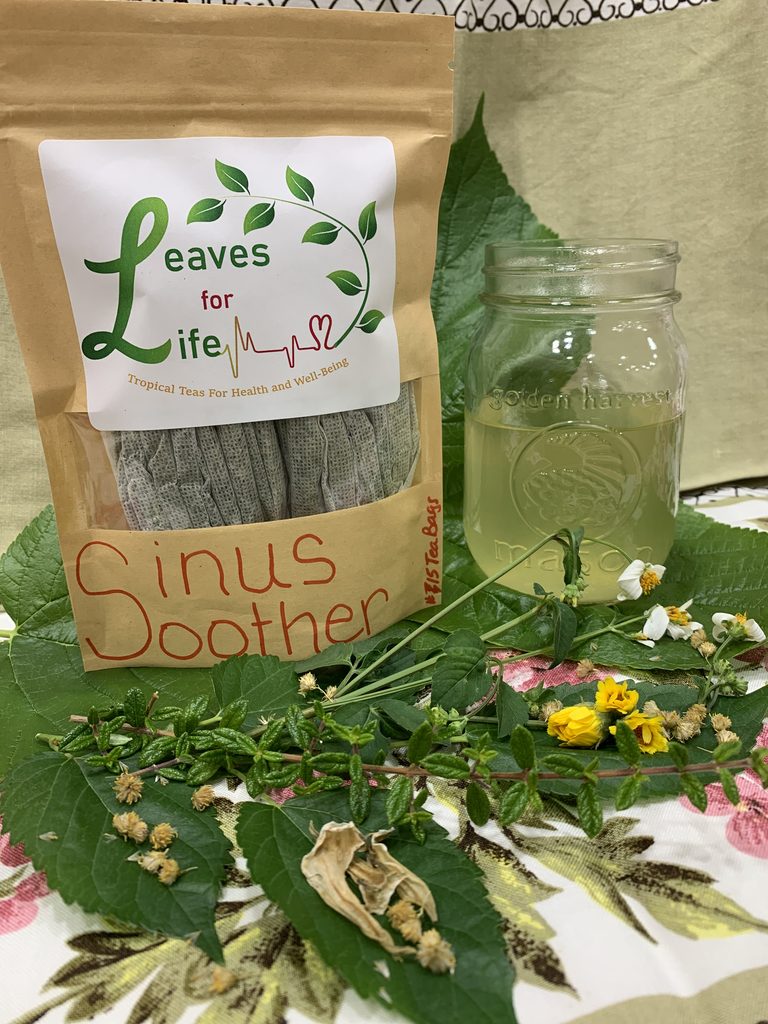
The elder flowers are used in this blend, along with Mulberry leaves, Biden’s alba, Goldenrod, Moujean Tea and White Roselles.
Last Updated: [10/2026]