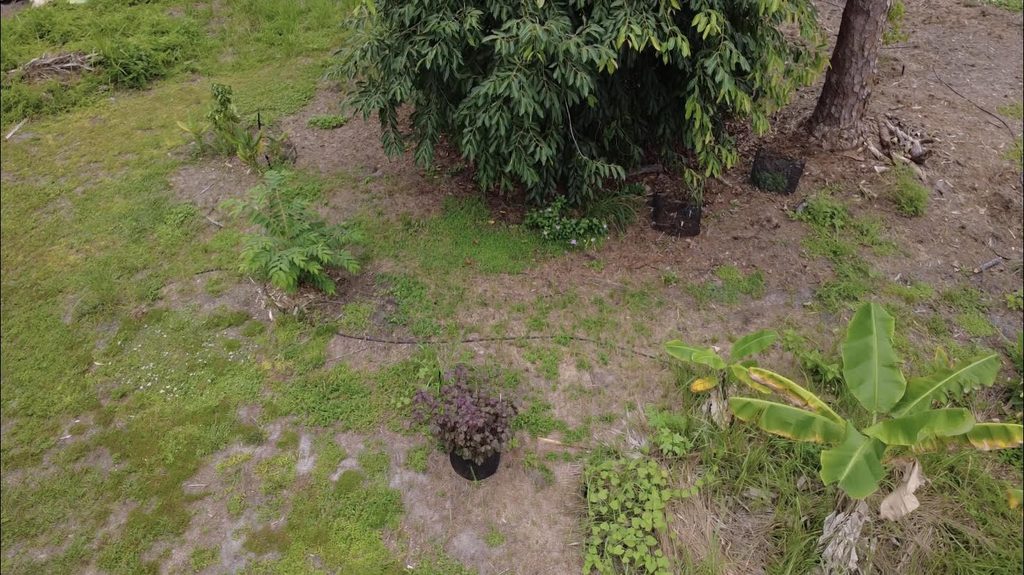
Sometimes a garden tells you when it’s time to make room.
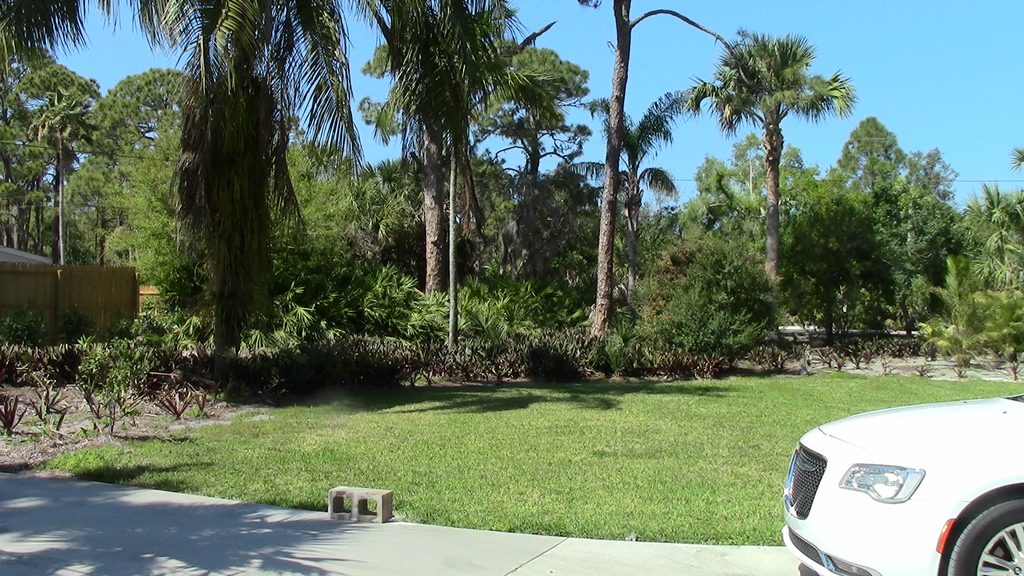
When I started this journey about five years ago, our food forest was simply our typical front yard—about half an acre that we began transforming into something completely different. We already had two large mango trees, and some of the first trees I added were Jamaican cherry and Moringa.
Then things started growing.
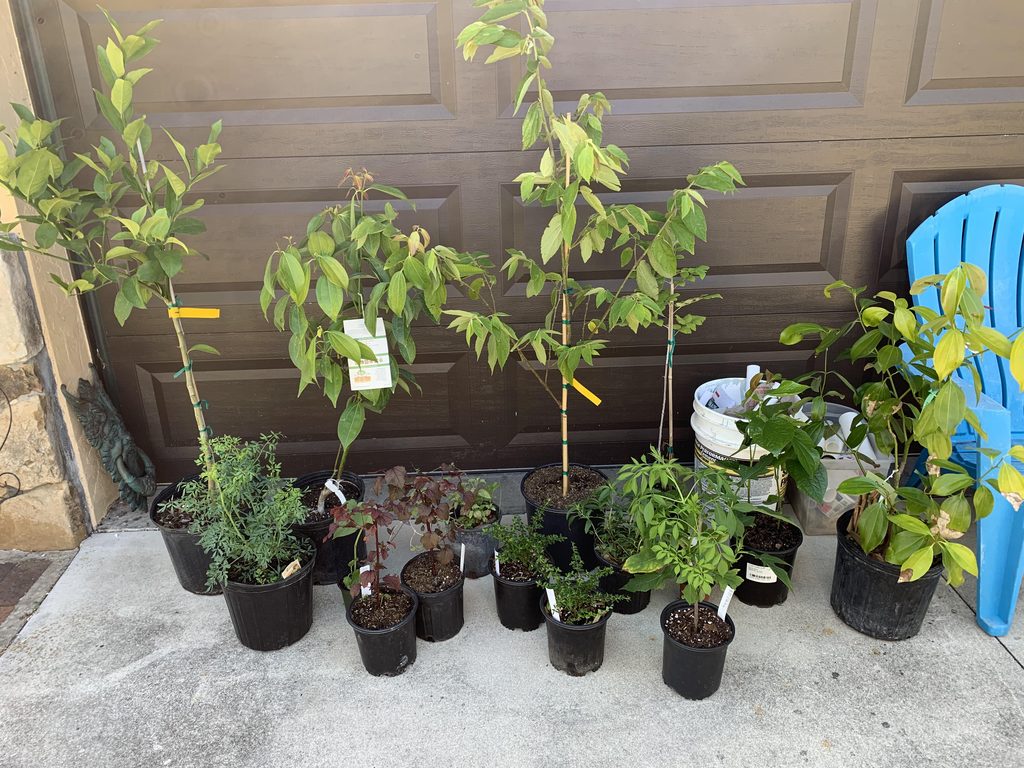
Once I had a few successes, I was hooked. One plant became another, and another, and pretty soon I was collecting tropical fruit trees, herbs, flowers, and all sorts of interesting plants. Every year, there’s a rare plant and fruit tree sale that I make a point of attending (Manatee Rare Fruit Council). At this point, it’s become something of a tradition.
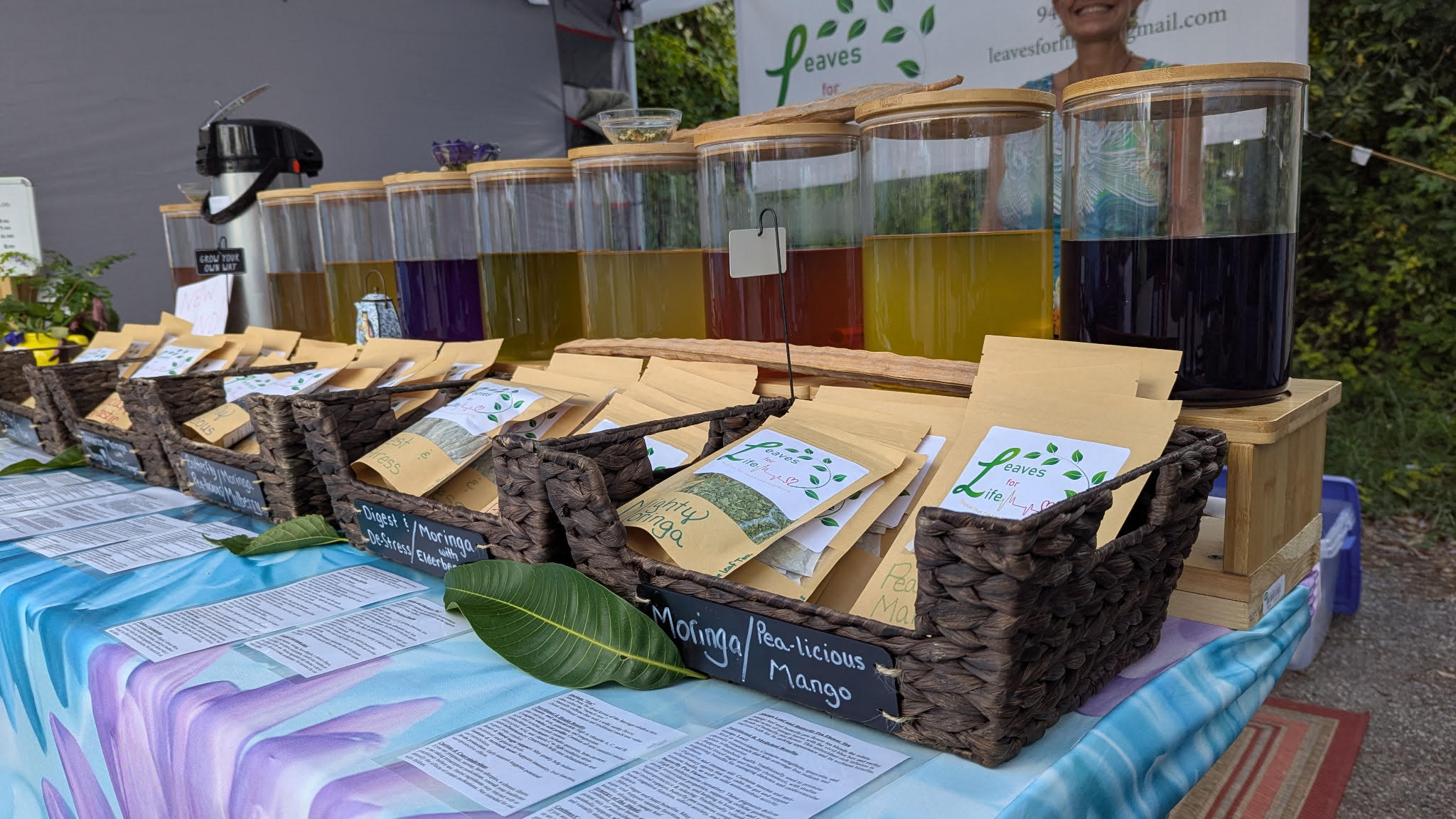
And then Leaves for Life happened.
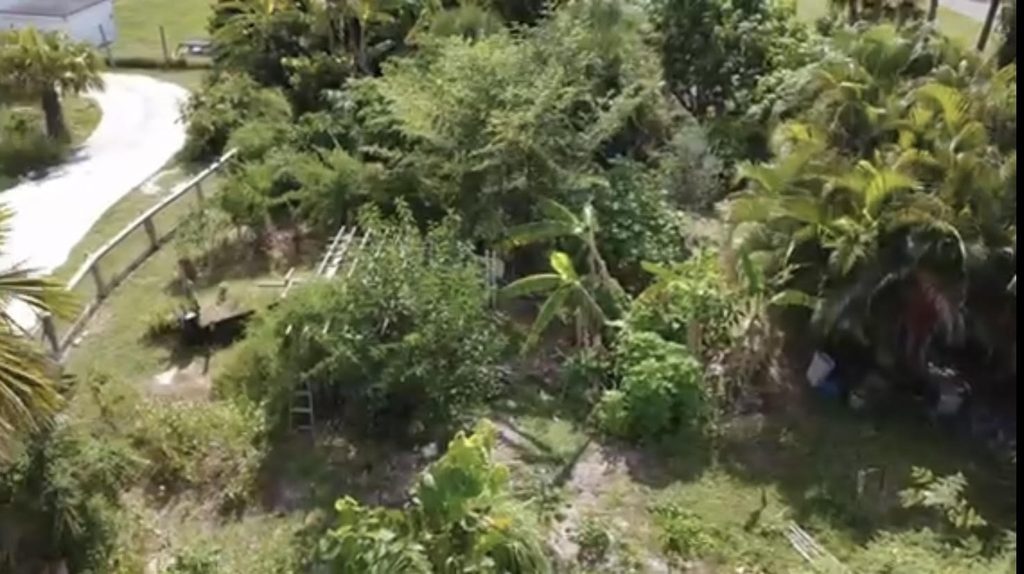
When I started making our teas and headed into our first weekly market season, our tea-growing inventory was fairly modest: two Jamaican cherry trees, four Moringa, three mulberry, two mango, several lemongrass plants, two elderberry, a lemon tree, a few ginger plants, about ten roselle hibiscus, and two cranberry hibiscus. There were other plants in the food forest, too, but those were the ones we were using for tea.
When Glenn and I talked about the business, I figured if I could sell 10 bags of tea a week, I’d be pretty happy. Well…that didn’t quite happen. At the height of the season, we were selling around 40 bags a week.
Suddenly, our little collection of tea plants wasn’t looking quite so little. By the end of the season, we were seriously wondering whether we would have enough botanicals to keep up. At one point, we even had to temporarily put one of our ingredients on hold.
We were realizing something pretty exciting:
People really liked our teas—and they were especially excited to learn that we actually grew many of the plants ourselves. So we needed to make more room.
Making Room to Grow
We expanded our growing area by about three-quarters of an acre and brought in a tree service company we’d worked with after one of the hurricanes (Green Topps). These guys really listened to us. We didn’t want to simply clear-cut the property and haul everything away. We wanted to make thoughtful decisions about what stayed, what needed to go, and how we could keep as much of that organic material on the property as possible.
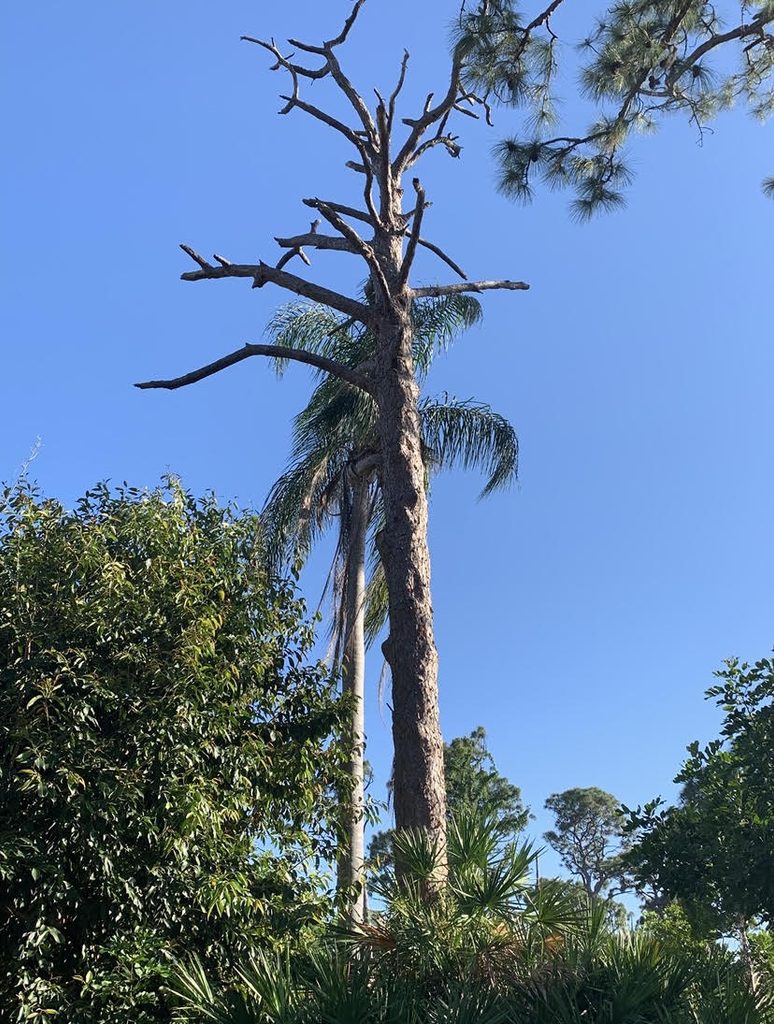
That’s an important part of our regenerative approach. We also made a point of leaving standing dead trees, or snags, whenever it was safe to do so. Dead trees may not look particularly useful to us, but they can provide important habitat for birds, insects, and other wildlife.
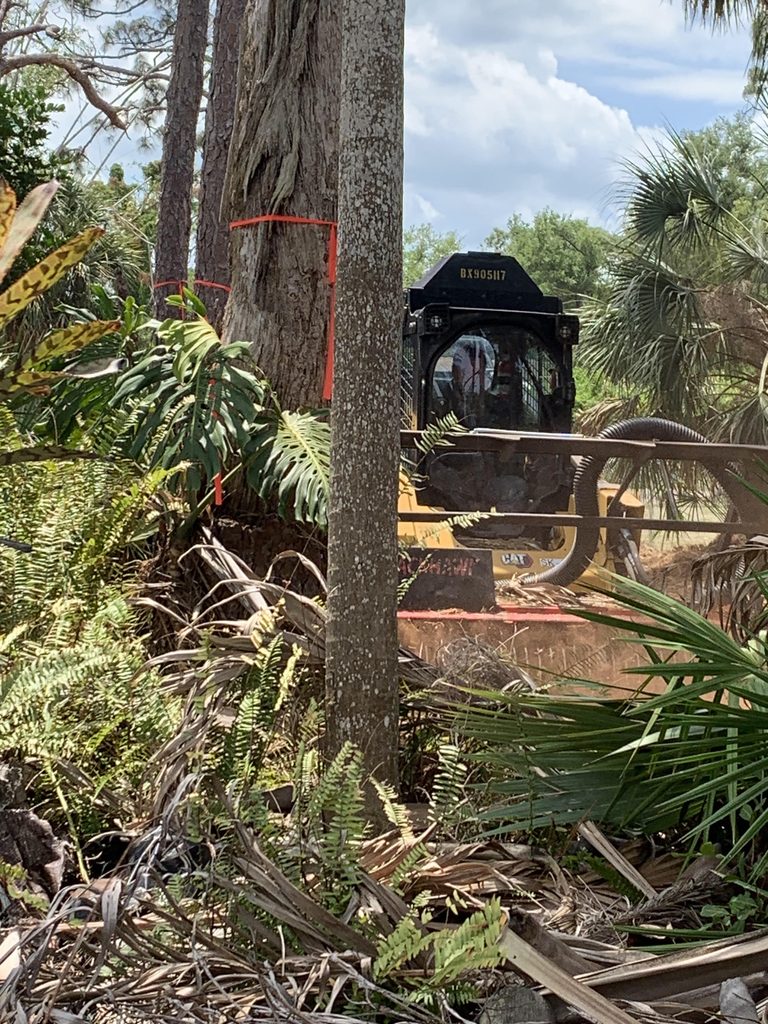
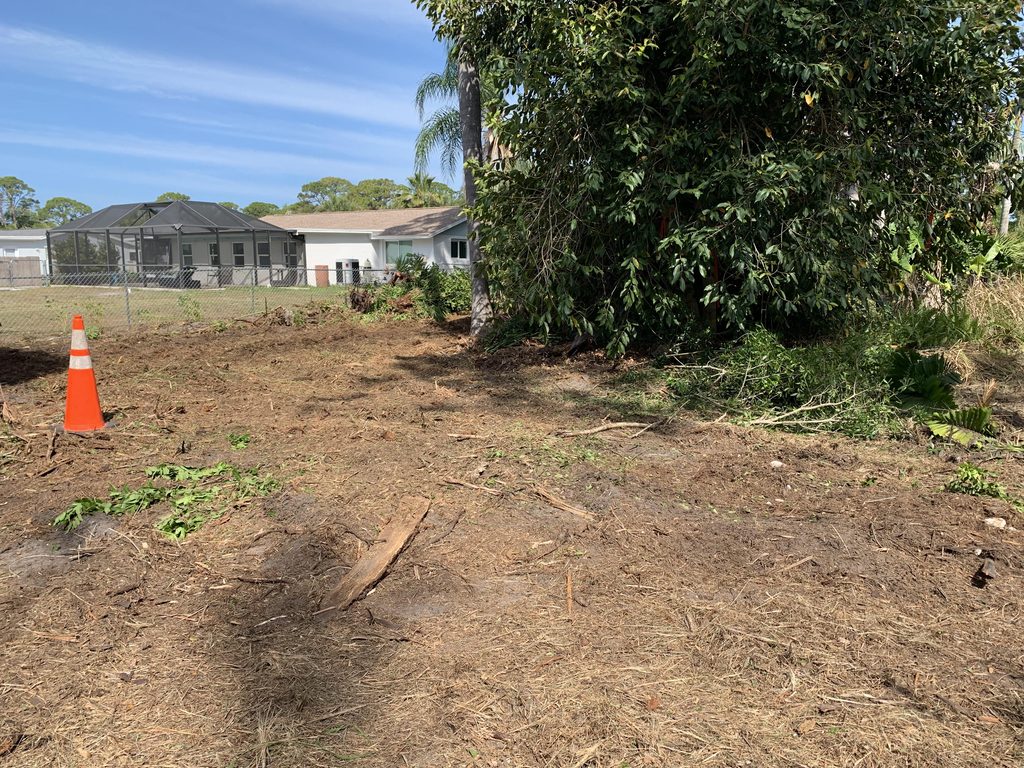
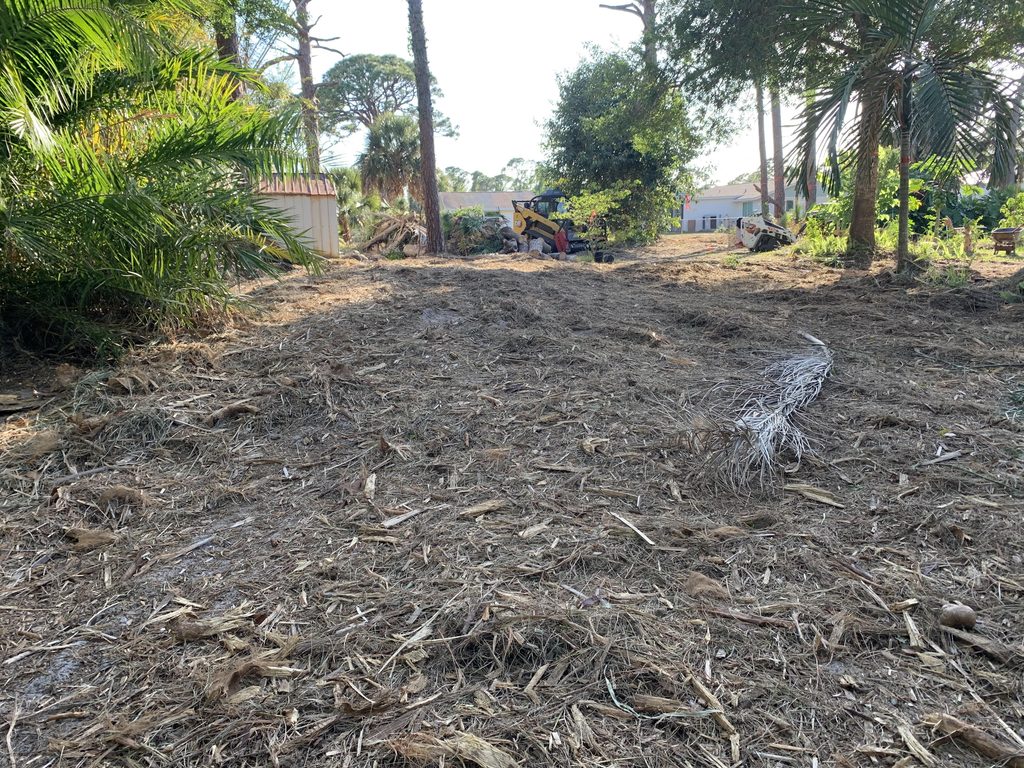
That doesn’t mean the process was easy for me. There were definitely some difficult moments watching the work happen. Before the clearing, there were so many palms, saw palmettos, and pine trees that we could barely see our neighbors. Then came the big machinery—loud, powerful, and seemingly capable of eating an entire tree in seconds.
And there were a lot of trees. At least two dozen were removed, and one machine literally grabbed them, chewed them up, and spit the pieces right back onto the ground. It was pretty hard to watch.
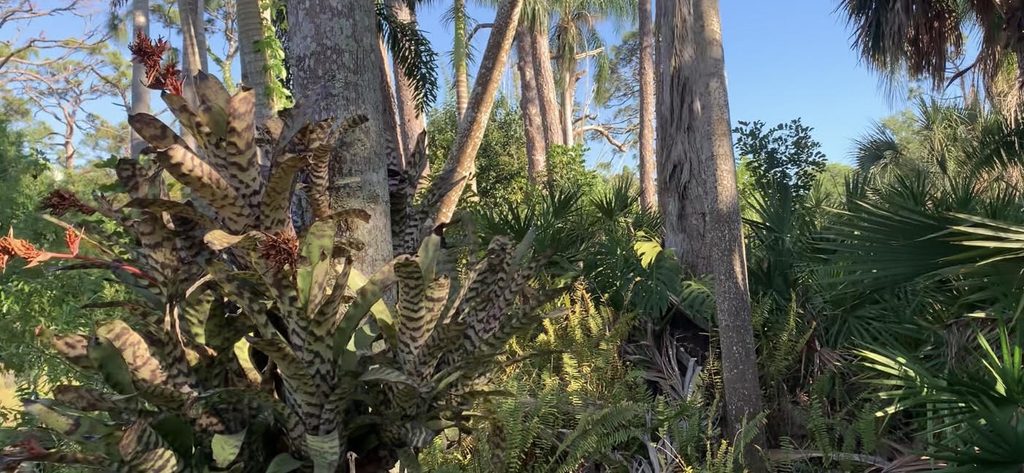
When the work was finished, the property looked…well, horrible. I remember standing there feeling sad and worrying about all the wildlife that had just lost their homes. So I had a little conversation with Mother Nature.
I basically told her, I know this looks awful right now. But just wait.
We were going to plant new trees.
We were going to grow food.
We were going to create habitat.
And we were going to build a new, diverse ecosystem for all those little critters that help make our food forest work.
Six Months Later…
Slowly but surely, we’re filling it back in. So far, our expansion includes:
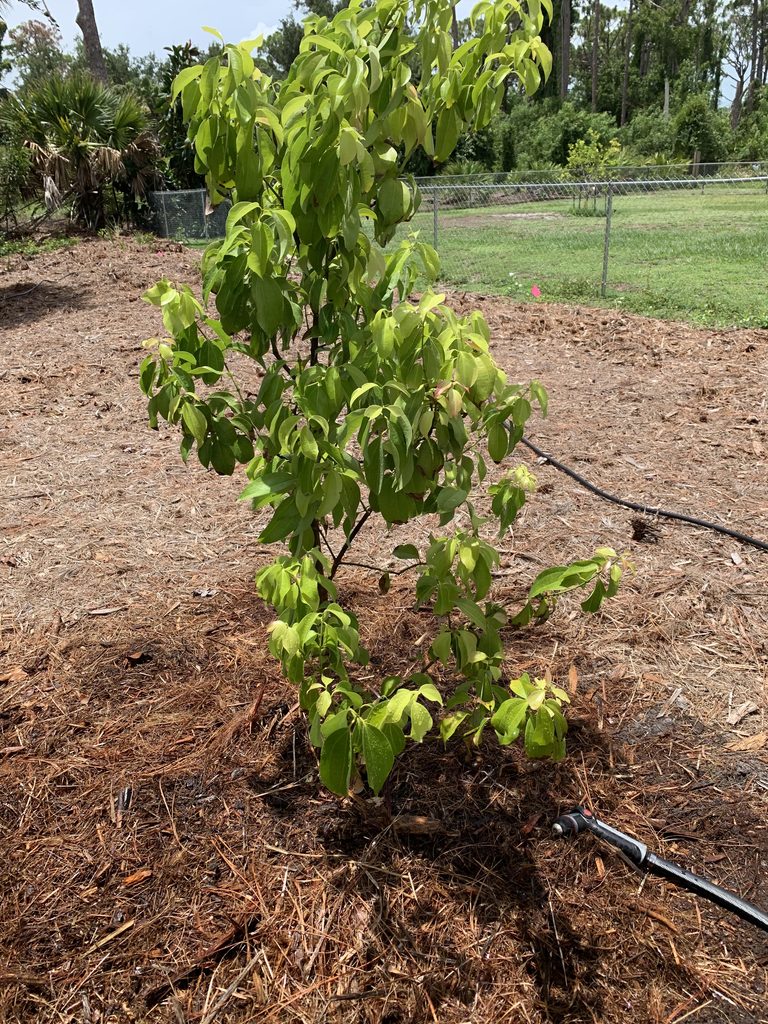
- 7 cinnamon trees
- 10 (more) Moringa trees
- 7 Jamaican cherry trees
- 8 mulberry trees, including large and dwarf varieties
- Lots of ginger and turmeric
- 14 native firebush plants for pollinators
- 6 native Yaupon holly trees
- 8 cranberry hibiscus
- 5 elder trees
- 20 roselle hibiscus
- More butterfly pea and other herbs
And we’re not finished.
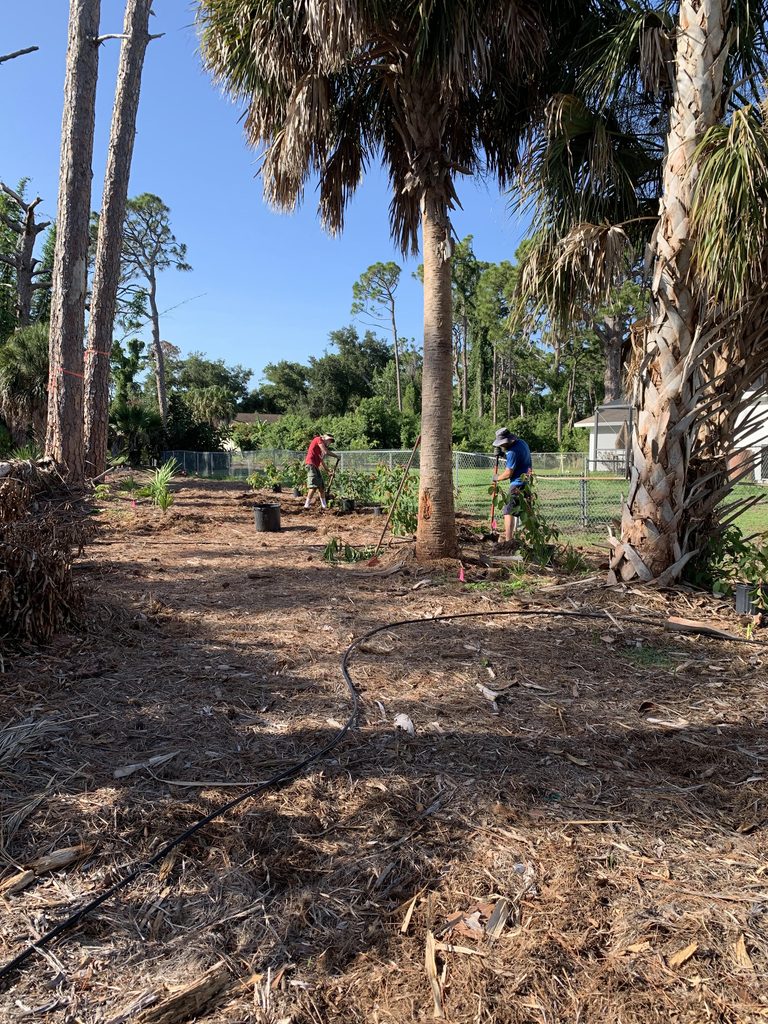
Three more soursop trees are waiting to go in, along with white guava, imbe, cocoplum, avocado, and Barbados cherry. Wow. Writing that list out, even I’m thinking, that’s a lot of plants. 😂 (Update: these are all planted now!)
But here’s the thing: not everything we grow is destined for a tea bag. Some plants are food for us. Some provide food or habitat for wildlife. Some attract pollinators. Some improve the ecosystem around them. And quite a few do double duty as both food and botanical ingredients. That’s what I love about a food forest. The plants don’t have to serve just one purpose.
And I’m still experimenting. I love growing Tulsi, or Holy Basil, and right now I grow just enough for my own use. I’m hoping that someday I’ll have enough to add it to our teas, as well. There are several other plants I’m experimenting with in the same way.
That’s part of the fun. We’re not just expanding our garden. We’re learning what will grow, what thrives, what struggles, what surprises us—and what might become part of Leaves for Life somewhere down the road.
The food forest is growing, the tea forest is growing, and so are we.
And honestly? I can’t wait to see what it looks like a year from now.